



In his October 2025 General Conference address, “Humble Souls at Altars Kneel,” Jeremy R. Jaggi teaches that sacred altars, whether the sacrament table, temple altars, or the quiet places of personal prayer, represent moments when we bind ourselves to Jesus Christ through covenant devotion.
He explains that these sacred acts are not symbolic gestures alone. They connect disciples directly to the Savior’s power and grace.
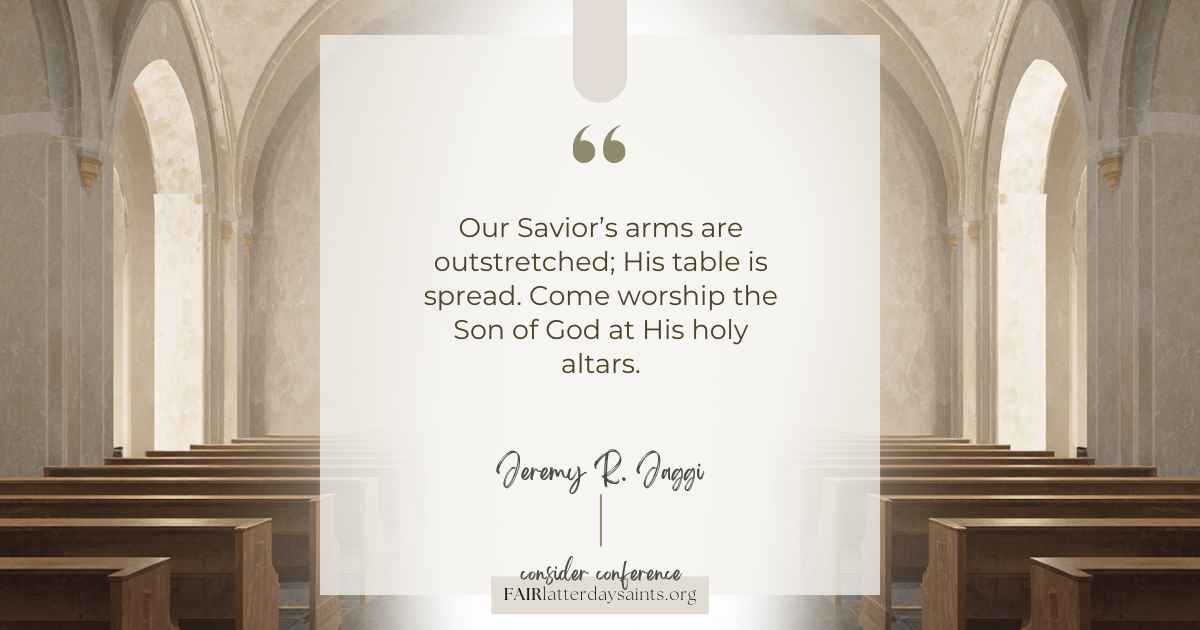
Our Savior’s arms are outstretched; His table is spread. Come worship the Son of God at His holy altars.
Through covenant worship, disciples do more than remember Christ. They draw closer to Him and receive strength to face life’s challenges.
Common Criticism: “Religious rituals are symbolic traditions but don’t actually change anything.”
Many people view practices such as the sacrament, temple worship, or kneeling prayer as meaningful traditions. However, they question whether these rituals truly affect a person’s spiritual life.
Fallacy at Work: Ritual Without Power
This criticism assumes that religious observances are merely ceremonial. It overlooks how intentional spiritual practices shape commitment, focus the heart on God, and invite divine influence.
Elder Jaggi’s Correction: Covenants Connect Us to Christ
Elder Jaggi teaches that sacred ordinances and covenant worship are not empty gestures. They are moments when disciples intentionally bind themselves to the Savior.
Through these sacred acts, disciples renew their devotion and open their lives to Christ’s power. Covenant worship strengthens faith, invites protection, and deepens a disciple’s relationship with the Savior.
Resolving this Fallacy:
Altars represent commitment. When disciples approach them with humility and faith, they do more than remember Christ. They renew their covenants and draw closer to Him.
Living Apologetics: Covenants Provide Strength
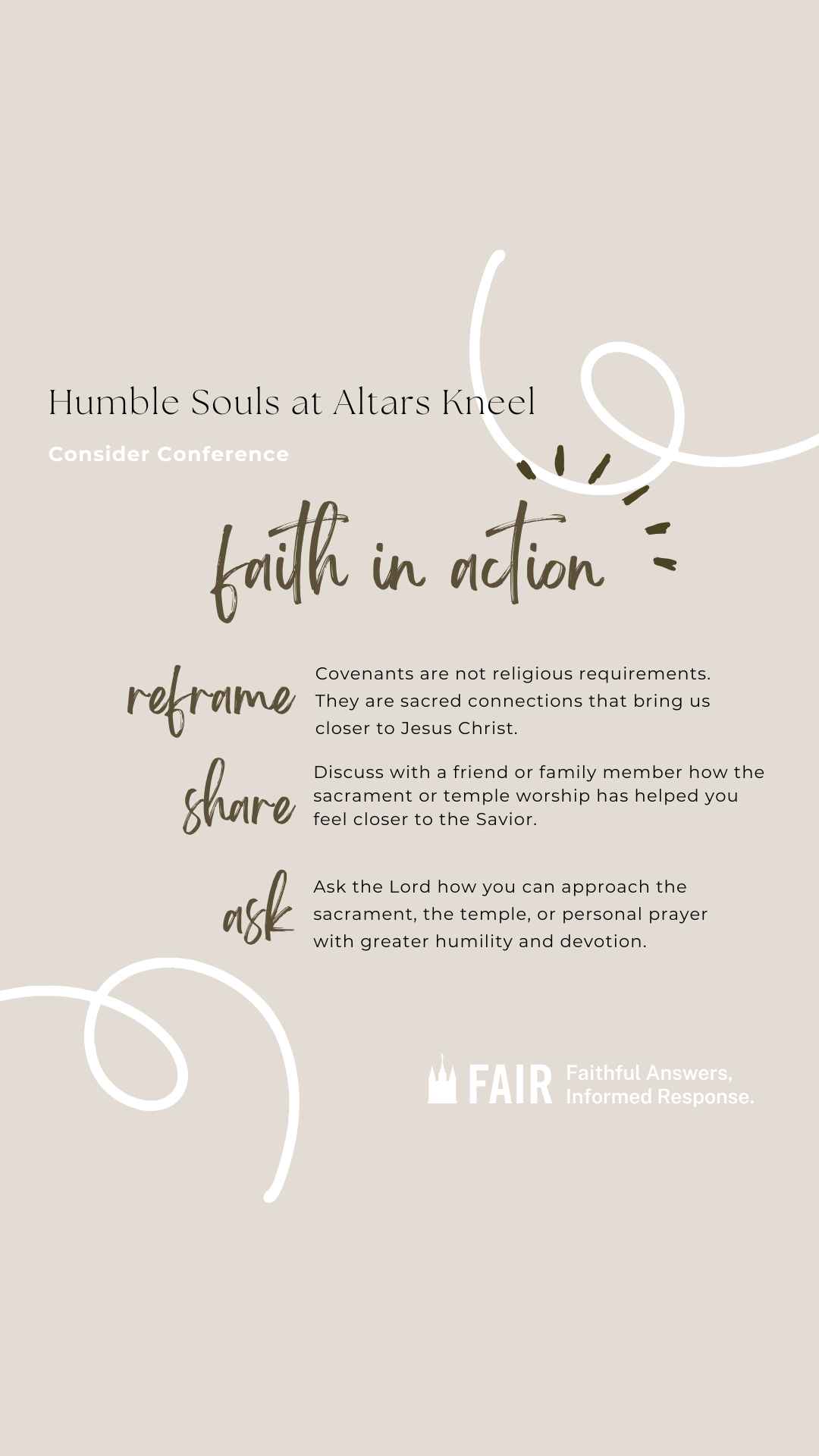 Elder Jaggi’s message reframes religious observance as something deeply practical. Rather than simply fulfilling religious expectations, covenant worship becomes a source of resilience, clarity, and spiritual protection.
He teaches that when we worship the Savior and keep our covenants, we gain strength to resist the natural pull of the world and the influence of the adversary.
These sacred practices also create moments of reflection. When disciples kneel in prayer or partake of the sacrament, they pause to examine their hearts, renew their commitments, and seek forgiveness through the Savior’s Atonement.
Practical Apologetic Use
- If someone says: “Church rituals don’t really change anything.”
- You can respond: “Elder Jaggi teaches that covenant worship connects us to Christ and opens access to His mercy, protection, and healing.”
Ways to Apply Today
1️⃣ Treat the sacrament as a moment of intentional spiritual reflection.
2️⃣ View prayer as a personal “altar” where you bring concerns to God.
3️⃣ Approach covenants as living relationships rather than obligations.
Keep This Talk With You
Elder Jaggi reminds disciples that the Savior invites all who are weary to come to Him. Sacred altars represent places where burdens can be laid down and healing can begin.
When humble souls kneel before God, they are not merely performing a ritual. They are responding to the Savior’s invitation to receive His mercy and rest.
What might change in my life if I approached sacred moments of worship as opportunities to truly bind myself to the Savior?
The Consider Conference series by FAIR offers an in-depth look at recent General Conference talks to help members of the Church of Jesus Christ of Latter-day Saints navigate common questions, misunderstandings, and criticisms. Each post provides doctrinal insights, historical context, and practical ways to apply gospel principles in everyday conversations. Through this series, we hope to equip readers with faith-promoting resources that encourage thoughtful reflection, respectful dialogue, and a stronger foundation in gospel truths, fostering both personal conviction and meaningful discussions with others.
The post Humble Souls at Altars Kneel appeared first on FAIR.
Continue reading at the original source →