


Learn the core principles behind the American founding, including God-given rights, limited government, rule of law, and checks and balances.
This article is one in a series about principles of freedom and religious liberty. It is based on principles from the book American Principles of Freedom: A Latter-day Saint Perspective, which celebrates the 250th anniversary of the United States of America. Read other articles in the series #America250
The founders of the United States built the nation on a few simple but powerful ideas. These principles shaped the Declaration of Independence, the Constitution, and the Bill of Rights. They also continue to influence freedom and government today.
Many of these ideas can sound complicated, but the basic principles are straightforward.
Rights Come from God
One of the most important founding principles is that rights come from God, not from government. The Declaration of Independence states that all people “are endowed by their Creator with certain unalienable Rights.”
The founders believed every person has God-given worth and dignity. Government does not create basic rights such as life, liberty, worship, and property. The government’s job is to protect those rights.
This principle matters because rights are safer when they do not depend on the opinions of rulers or political leaders. Latter-day Saints believe that agency is central to God’s plan, so protecting freedom matters spiritually as well as politically.
Government Exists to Serve the People
Before the American founding, many nations were ruled by kings who claimed power by birth. The founders rejected that idea. They taught that government receives its authority from the consent of the governed. In other words, power begins with the people.
Citizens choose leaders, participate in government, and can replace leaders through elections.
Rule of Law
Another key principle is the rule of law. Rule of law means everyone must obey the law, including government leaders. No person is above the law.
The founders understood that freedom cannot survive where leaders act without limits or accountability. The Constitution established written laws and clear limits on government power. Courts help apply those laws fairly and consistently. Rule of law protects ordinary citizens from abuse of power and helps maintain stability and justice.
Limited Government
The founders believed that government should be strong enough to protect rights but limited enough to preserve liberty. The Constitution gives government specific powers while reserving many responsibilities to states, communities, families, and individuals.
The founders worried that concentrated power could eventually threaten freedom. That is why they divided authority and created safeguards within the Constitution.
Checks and Balances
The Constitution separates government power into three branches: legislative, executive, and judicial. Each branch has different responsibilities and can limit the power of the others. Congress makes laws. The President enforces laws. Courts interpret laws.
This system is called checks and balances. The founders designed it because they understood human nature. They knew that no person or group should control all government power. By dividing authority, the Constitution helps protect liberty and reduce abuses of power.
Freedom Requires Responsibility
The founders also believed that freedom requires virtue and personal responsibility. Self-government works best when citizens practice honesty, self-control, kindness, and respect for others. John Adams warned, “Our Constitution was made only for a moral and religious people. It is wholly inadequate to the government of any other.” (Address to the Massachusetts Militia, 1798)
Strong families, faith, education, and civic involvement help preserve liberty. Latter-day Saints understand that agency and accountability always go together. Freedom works best when people use it wisely.
What This Means for Us
These founding principles continue to influence daily life. They protect freedom of religion, freedom of speech, due process, voting rights, and equal treatment under the law. They also remind citizens to stay informed, participate responsibly, and defend liberty with wisdom and kindness.
The American founding was not perfect, but the principles behind it have blessed millions of people.
For Latter-day Saints, many of these principles connect closely with gospel teachings about agency, moral responsibility, human dignity, and freedom to choose righteousness.
Learn more:
- “Defending Our Divinely Inspired Constitution, Dallin H. Oaks, April 2021 General Conference
- Articles about about religious freedom and moral agency.
- Read the book American Principles of Freedom: A Latter-day Saint Perspective.
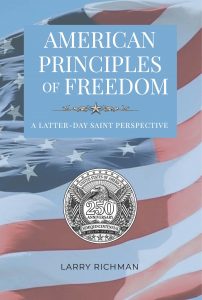
How to access the book
- Read or download a free PDF.
- Purchase on Amazon as a paperback for only $8.95 or get as Kindle or audiobook free with your membership
- Purchase on Lulu as a paperback for only $8.95
The post American Founding Principles in Plain English first appeared on LDS365: Resources from the Church & Latter-day Saints worldwide.
Continue reading at the original source →