


The Book of Abraham teaches doctrine that is not explained clearly anywhere else in scripture. It explains who God is, who we are, why life exists, and why covenants are important. It also helps explain how ancient ordinances and covenants work within God’s plan.
God Works Within an Eternal Universe
The Book of Abraham discusses astronomy, stars, and the heavens. It teaches that God did not create the universe out of nothing. Matter already existed. God organized it. Creation is described as forming, ordering, and governing, not inventing from scratch.
It also teaches us how God’s authority works. Laws exist because the universe itself follows order. God brings light, structure, and purpose into something that would otherwise drift toward disorder. Commandments exist because certain laws lead to life and permanence. There are eternal blessings for following eternal laws.
Understanding this helps us realize why covenants matter. They are not just tests of obedience. They are conditions that allow God’s power to operate in an eternal system.
This video does an excellent job to help us understand what the Book of Abraham is and the doctrine it helps us to understand.
Humans Are Eternal Beings
The Book of Abraham teaches that humans existed before this life as intelligences. These intelligences had no beginning and will have no end. They differ in intelligence, but all are eternal.
This doctrine changes how identity works. People are not defined by their mortal circumstances. Life did not start at birth. Mortality is a stage, a part of an eternal plan.
Because humans are eternal, ordinances and covenants are not just symbols. They relate to real, lasting eternal development. Ancient ordinances were considered very important and so are modern ordinances.
Choice Existed Before This Life
The Book of Abraham teaches that choice existed before mortality. Spirits were presented with a plan. Those of us here on earth accepted it while others rejected it.
This establishes agency as eternal. Humans are not programmed to obey. Choice is foundational and agency existed before birth.
This doctrine explains why covenants are central. A covenant is chosen. Ordinances formalize that choice and place the individual within a covenant structure that was designed before this life.
The Purpose of Mortal Life
We also learn the purpose of Mortal life. This explains why life includes suffering, uncertainty, and uneven opportunity. It helps us understand why knowledge is given gradually. Testing requires agency and incomplete information, but “proves” us to see if we will do all the things that God commands.
This doctrine fits with ordinances. Ordinances mark progress, commitment, and movement from one stage to another. They make sense only if life is part of a larger process.
Councils and Framework of Creation Story
The Book of Abraham includes a creation account, but its focus is different from other versions. Rather than simply describing what happened, it explains the framework behind creation and helps answer why creation happens at all.
The creation story in the Book of Abraham differs from Genesis because it describes God counseling with others before creation begins. Creation is presented using plural language, referring to “the Gods” organizing the heavens and the earth. This shifts the account from a simple narrative to an explanation of how creation was planned, agreed upon, and carried out.
We learn that God works in counsels and invites participation. Authority flows through agreement, not force.
This same pattern appears in covenants. God invites, presents conditions, and allows choice. Ordinances follow this structure. They are entered voluntarily and bind both sides to real commitments.
The Abrahamic Covenant Is Not About Bloodline
The Book of Abraham expands our understanding of the Abrahamic covenant. The Jews like to focus on being the chosen people, but we learn that this covenant is not limited to lineage or land. The covenant is all about priesthood and covenant authority.
Anyone who accepts the gospel becomes Abraham’s seed. Covenant belonging is based on choice, not ancestry. Priesthood is the means by which covenant blessings reach all nations.
Ordinances and the Temple
The Book of Abraham connects eternal identity, agency, creation, and covenants. It helps us understand why ordinances exist. They are mechanisms that allow us to progress within eternal laws.
Ancient ordinances make sense in this structure. Modern ordinances do as well. Both are rooted in the same ideas: eternal identity, voluntary covenant, ordered progression, and shared purpose with God.
With this understanding, the Book of Abraham is scripture that explains why the temple, covenants, ordinance, and key elements of the Restoration fits together.
The Rosetta Stone – The Ancient Relic Not Related to The Book of Abraham

Book of Abraham Facsimile 1
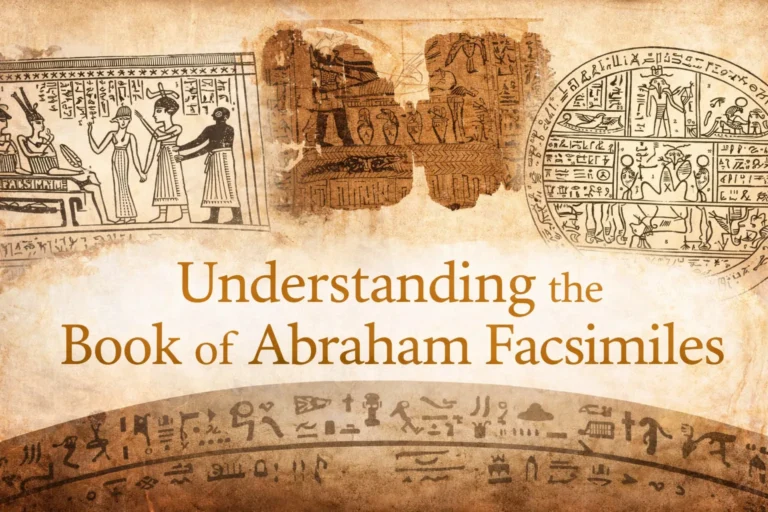
Understanding What The Book of Abraham Facimilies Are
Book of Abraham – Evidence Joseph Smith Could Not Have Known
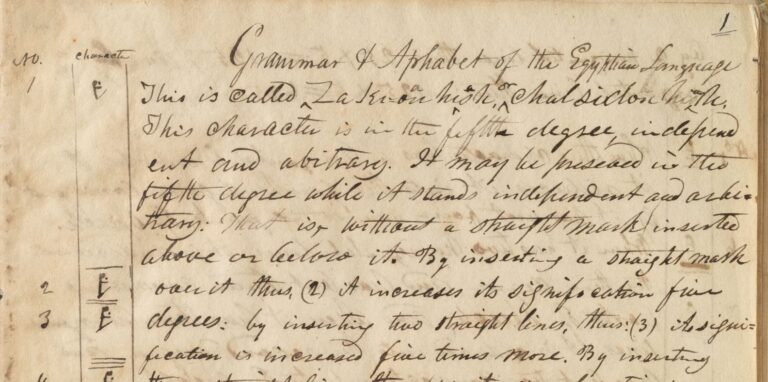
The GAEL Project – Pre-Temple Doctrine Coding?
Doctrine of the Book of Abraham
What is the Book of Abraham?
Continue reading at the original source →